The inspected labels do not all say the same thing
The current US Original AG1 Next Gen panel lists 90mcg vitamin K2. Huel Daily Greens Original lists 126mcg vitamin K in the MK-7 form. Live it Up's current panel lists 166mcg vitamin K1. Those amounts belong to the exact formulas and labeled servings inspected for this edition.
They are not equivalent instructions to start, stop or combine products. A person may already receive vitamin K from foods and other supplements, and the planned change may be intermittent or consistent. The treating clinician or pharmacist needs that broader pattern, rather than a ranking of the three numbers in isolation.
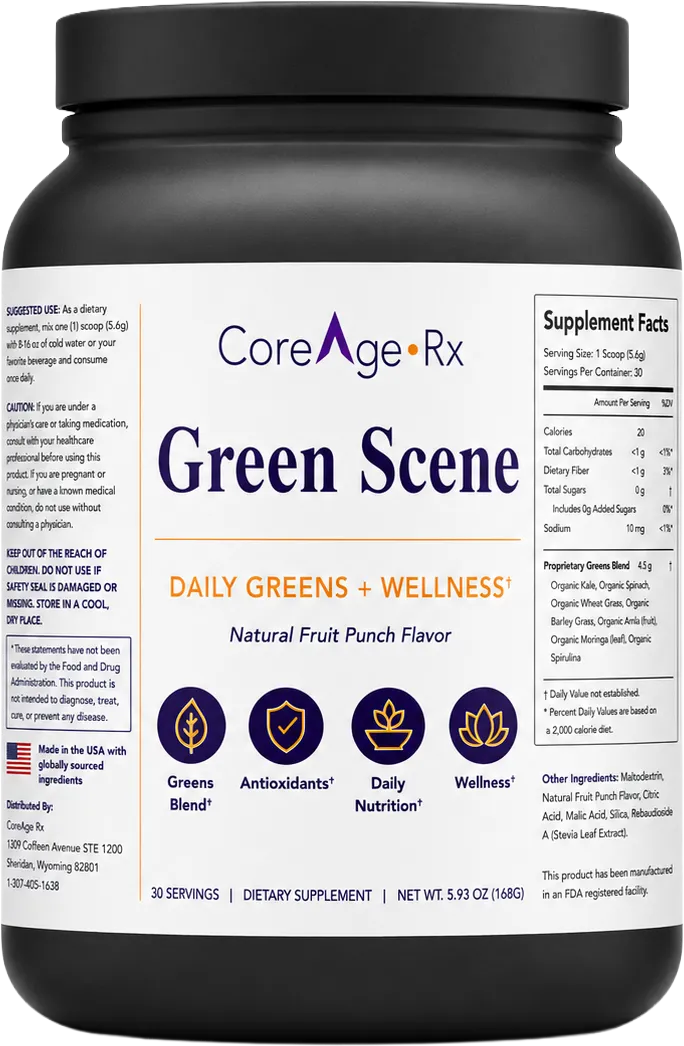
The inspected Green Scene label does not provide a vitamin K amount. That absence should not be converted into a claim of zero exposure or medication compatibility. A plant-containing product can leave a specific nutrient quantity unreported on the material available to this review. The unanswered question should remain visible.
Warfarin is the specific example
NIH ODS explains that vitamin K can interact with warfarin, and that sudden changes in intake can affect its action. The practical implication is to discuss a planned supplement change with the professional managing the medicine. This guide does not tell readers to withhold a medicine, alter its dose or set their own intake target.
It also avoids using blood thinner as though it identifies one uniform mechanism. Different medicines have different considerations. A reader taking another anticoagulant should ask about the exact medicine and product rather than assume that a warfarin-specific explanation either applies completely or proves that everything else is irrelevant.
If a new symptom is the reason for searching for a supplement, explain that symptom directly to an appropriate health professional. A product page cannot establish its cause. The decision about a powder may be secondary to understanding what prompted the search in the first place.
Bring the full formula, not one highlighted nutrient
Greens powders can include vitamins, minerals, botanicals, cultures, enzymes, flavors and sweeteners. Reading only the vitamin K line can miss the rest of the product. The useful record is a legible image or copy of the full panel, including serving size and other ingredients, from the exact version you intend to use.
Include any other supplements or fortified products used regularly. A clinician or pharmacist can then assess the combined picture. This publication has not verified an interaction profile for every ingredient in each formula, and the absence of an interaction warning in a review is not evidence that no relevant issue exists.
The probiotics guide shows another reason for retaining detail: a strain name, count and measurement method may differ between products. The organic-label guide explains why an organic claim is not a substitute for assessing the actual formula alongside medicines.
Describe the change you are considering
A clear question might be: I am considering this exact powder; here is its serving label, my current supplement list and how often I expect to use it. That gives the professional something concrete to assess. It is more useful than asking whether all greens powders are safe, a question too broad for one dependable answer.
If you already use a product, record its name, formula version and your existing pattern rather than guessing from memory. A new pouch may have a revised label even when the brand looks unchanged. Changes in product formulation deserve the same attention as switching brands if they alter the ingredients or amounts under discussion.
Do not infer a medical plan from the preparation directions on a sales page. Instructions about mixing a scoop into water tell you how the manufacturer presents the product; they do not resolve individual medicine questions. The professional conversation should happen before a planned change when medication compatibility is uncertain.
Keep recall checks separate and current
A product can raise both an interaction question and a recall question, but those are not the same inquiry. For affected Live it Up products, official instructions say not to consume recalled stock. Asking about vitamin K does not override those instructions, and an investigation's closure does not clear the package.
Our recall guide explains the product, lot and expiration match. It also warns against assuming another brand is automatically safer because it is outside one named notice. This article has not conducted an exhaustive current recall audit of every ingredient supplier or product on the market.
A current seller label, a clinician's advice and a public recall record each contribute different information. Keep their dates and scope attached. Combining them into a single green-light badge would hide the separate questions a reader actually needs answered.
A review can help prepare, not prescribe
The four-product comparison supplies the public facts available in this edition. CoreAge is first because the position is sponsored, not because we found it compatible with every medicine. The same evidence limits apply to its label as to the other product files.
The useful outcome may be approval of a particular plan, a request for more information, a different approach or a decision not to add a supplement. Those are individualized conclusions for the relevant professional and patient. This guide's role is to make the starting information accurate, readable and complete enough to support that discussion.
Prepare for appointments as well as purchases
The laboratory-test guide explains why the full supplement list can matter even when the immediate question is a blood test. The caffeine guide covers another ingredient inquiry that may belong in a medicine discussion. These are additional contexts, not reasons to change an anticoagulant or invent a universal supplement schedule.